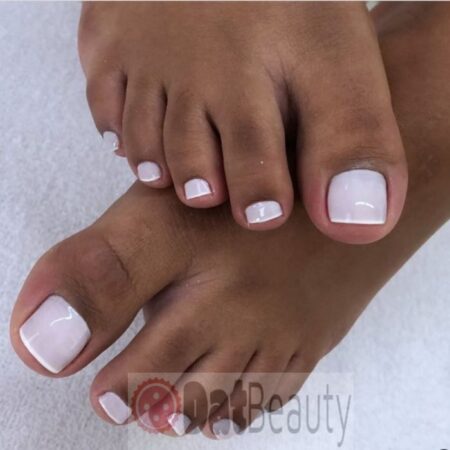


Artificial toenail extensions can change appearance, but they do not make natural toenails healthier. Footwear pressure, nail damage, and infection can make an enhancement unsuitable.
What is a Toe Nail Extension?
Wear time depends on product, fit, footwear, and nail growth; there is no universal two- or three-month safe-wear period. Avoid application over damaged or infected nails and ask a clinician about persistent changes.
Long Toe Nail Extensions are very popular with ballroom dancers to give the illusion of longer toes, especially when wearing high heels.
You might be interested in different types of pedicures
Since toenails grow slower than finger nails, they usually last around 2-3 months before coming off naturally but tend to stay on much longer if you don't do any work in them (like washing up) which is why they are so popular for PE lessons!
How many extensions will my natural toenails need?
It's debatable how many you should have put on your natural nail bed but I would suggest having at least 1 full set and then going back every 2 weeks while they still attached for a refill. If you are having accent nails put on, I would suggest having at least half a set of fake ones.
Why should you get your Toenails done?
It's a popular activity during summers when going bare foot becomes a way of life. It can be a great way to add a little bit extra to your look for that special occasion or evening out, especially when paired with matching pedicure services. When it comes to professional use, they help you achieve an easy salon manicure at home by being easily removable without any damage to the natural nail bed. You can wear them as long as you want them and take them off when you are done without any harm to your natural nails. It is suggested that sticking with the same style for a longer period of time will cause an imbalance in the growth of both your hands and feet. This is due to how our hands and feet are different in terms of the way they grow.
Durable
Unlike traditional full set acrylic nails, toenail extensions can last for more than 6 weeks thanks to its customized design which sticks close to your natural nails. The lifespan also depends on how you care for them during this period. However, there are instances when they may break or come off without any particular reason or incident (accidents do happen), but it will mostly be at the tip since that's where most pressure occurs when walking etc. This will not cause any damage if replaced with a fresh new one provided by your technician.
Adds length and fullness
Creates beautiful shapes that mimic nature If you short or stubby nails, toenail extensions will give your toes the length and fullness they need to look attractive. The vast majority of women want long and elegant looking nails but sometimes this is just not possible without a little help from a professional. All you have to do is find a good nail technician who can turn your less than perfect nails into something better in a couple of hours. You can enjoy having natural looking toes with an elegant shape, color and length all year round. The problem with manicures is once your nails grow out they lose their shape them dull looking which makes it necessary to return and have them redone all over again.
Toenail extensions process
The process of getting toenail extensions is very simple and easy, however if it's not done by a professional you may face problems such as discomfort or even infections. The process is simple; clear plastic monomer liquid is applied with brush on top of the nails followed by UV light exposure, which hardens it and adds strength to the nails. After this step your new bedazzled toes are ready for polish of your choice which can last up to two weeks depending on how fast your nails grow. Keep in mind that the better you take care of your nails before applying toenail extensions, the longer they will last.
Related Posts
Toenail extensions are a cosmetic service with extra foot-care needs
Extensions for a toenail may use a tip and acrylic or gel product to add length or create a uniform look. Feet are inside shoes, exposed to moisture and pressure, and toenails grow more slowly than fingernails; a long extension can catch or increase leverage in footwear. Ask how the system attaches, what shoes it suits, how it will be maintained and exactly how it is removed before booking. The product system and salon technique matter more than the word “extension.”
Screen the nail before covering it
Do not place an enhancement over a painful, thickened, discolored, lifting or broken nail. A cosmetic layer can hide a change that needs assessment. If you have diabetes, poor circulation, reduced sensation, immune compromise or a history of foot wounds, consult a clinician before a pedicure or extension. The salon should decline to treat open skin or suspected infection and should not diagnose nail disease.
For lamp-cured gel, the maker’s lamp and curing instructions must be followed, product must stay off surrounding skin, and removal must match that system. FDA explains that nail cosmetics can cause irritation and allergic reactions: FDA nail-product safety. Tell the technician about previous reactions. Ask for a short length that fits your footwear and daily activity; leave enough room so the nail does not press into the shoe.
Aftercare and removal
Keep feet dry after bathing, change damp socks and inspect around the extension. If it lifts, do not glue it down or let debris sit underneath; contact the salon for removal. Stop if there is pain, redness, warmth, odor, swelling or new discoloration. Do not pry the product off. If the extension catches or your nail becomes tender, have it shortened or removed. An extension changes appearance, but it does not correct an ingrown nail or strengthen the natural nail.