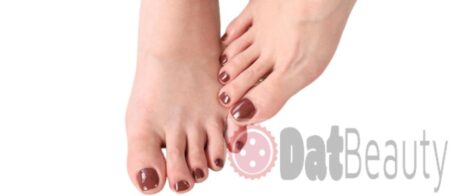


Gel nails create a cosmetic finish, but they do not make natural nails healthier. Wear and chipping vary by product and application; repeated curing, filing, and removal can damage nails.
Easy to apply
Application and removal steps depend on the gel system. Repeated or forceful removal can damage the natural nail; follow maker directions. artificial nails
High Gloss Effect
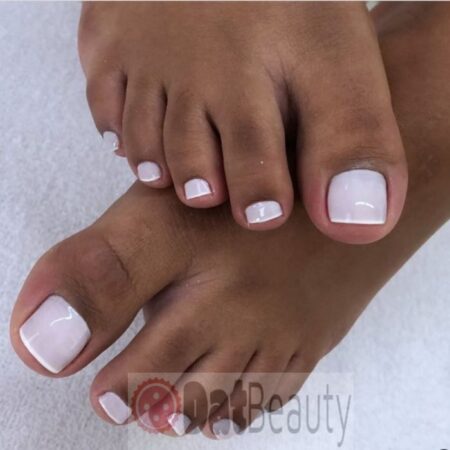
The great thing about gel nail polish is that it leaves your fingers with a pretty high gloss effect without being too bright which also allows you to have the flexibility of choosing the color that works best for your skin tone.
Gel nails composition
Gel formulations vary by brand and system. Do not infer that layers of gel strengthen or repair the natural nail plate.
Light-cured gel hardens only when used with the compatible lamp and directions specified for that product.
Promote Healthy Nails
Gel polish adds a cosmetic coating; it does not nourish, strengthen, or guarantee protection of natural nails. Repeated application and removal may cause damage.
Instant Results
Application time varies by product and salon. No gel product gives guaranteed results in seconds.
Protect your Nails
Gel polish does not guarantee healthy nails. Avoid skin contact with uncured gel and remove it as directed.
If you are beginner and don't know how to apply gel nail then find these tips and tricks to apply gel nails.
Other Benefits
Salon sanitation varies by provider and local practice. A gel manicure is not inherently safer than other services; ask about tool cleaning and product instructions.
Here are some things to consider when getting a gel manicure
Gel products may cause irritation or allergic reactions. Follow the specific product?s label and patch-test instructions if provided; a patch test does not guarantee no reaction.
Use the base coat, gel, and compatible lamp specified by the product maker. Avoid skin contact with uncured gel and follow safe removal directions.
What gel polish is useful for
Gel polish is a lamp-cured coating that can offer a glossy finish and resist smudging sooner after a service than ordinary air-dry polish. It may suit someone who wants a particular color for an event or dislikes waiting for conventional polish to dry. These are convenience and appearance benefits, not proof that gel improves nail health or makes the natural nail grow stronger. Wear time and chipping vary with the product, application, daily tasks and nail condition.
Compare it with your alternatives
Regular polish does not need a curing lamp and can be changed at home more easily, though it may smudge while drying and may chip sooner for some users. Press-ons add a preformed length and can be temporary, but adhesive removal can still harm a nail if pulled. Builder gel is a different service intended to add structure, and hard gel extensions add length; a gel-polish manicure is not the same thing. Ask the salon which service and removal method they are quoting.
For gel, the maker’s lamp, layer and cure directions matter. Product should stay off the skin, and removal should follow the exact system instructions. FDA notes that nail products can irritate skin or cause allergic reactions and recommends using them as labeled: FDA nail-product safety. If you experience itching, swelling, redness, blisters, pain or separation, stop using the product and seek medical advice.
Is the tradeoff right for you?
Consider the appointment time, removal cost, lamp exposure, salon hygiene and whether you can leave the coating alone until proper removal. Peeling gel may lift layers of the natural nail. A careful technician should not file into the nail plate or apply product over broken skin. If your nails are tender or damaged, use a simple polish or leave them bare while you identify the cause. Choose gel for its finish and convenience only if its maintenance and removal fit your routine; the service does not guarantee longer or healthier nails.
Before you book, check the full cost
Ask whether the price includes removal, nail art and repair, and what a return appointment costs. A lower initial price may not include the product removal needed later. If you prefer frequent color changes, ordinary polish may be cheaper and simpler. If you prefer a glossy finish that is dry to touch after the service, gel may be worth the added appointment and removal steps to you.
Think about your next two weeks: work with chemicals, frequent hand washing, gardening or manual tasks can affect how a coating wears. Gloves can protect nails during wet work but will not prevent every chip. If you travel or cannot return to a salon, choose a system you can remove safely according to its consumer directions. Do not plan to peel gel off at the end of a trip.
Gel’s convenience does not make it a treatment for splitting or weak nails. If the underlying nail is damaged, a coating can hide that while it grows, so consider leaving the plate bare or using ordinary polish. Ask for a break if removal becomes painful. The right benefit is the one you value—finish, color or less smudging—balanced against care and cost.