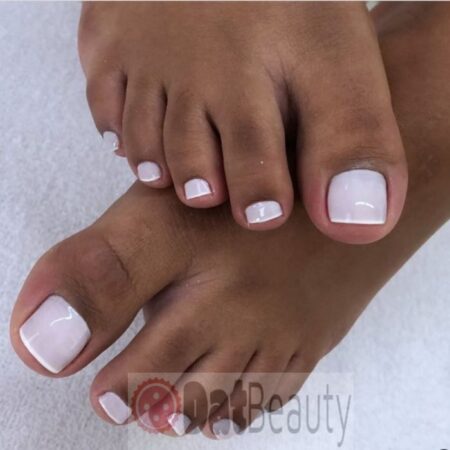


A full set of acrylic nails is an artificial enhancement; appointment time varies by salon, design, and product. Follow the technician?s aftercare and removal guidance. shellac
Nail Shaping
Application quality and individual nail condition affect results. Acrylics can lift or chip, and poor application or removal may cause irritation or damage.
Acrylic products and tips vary by system. Do not describe every acrylic as fiberglass, plastic, fabric, or gel; ask which product is being used.
Acrylic products set according to their chemistry; do not assume they need a fixed one-day waiting period before shaping. Follow the product and technician instructions. nails
A ?full set? usually means enhancements are applied across the nails, but what is included varies by salon: ask whether the quote covers tips or sculpting, shaping, polish, and removal of an existing set. Acrylic can require filing of the natural nail, and product chemicals can irritate skin or cause reactions.
Nail Polish Application
Polish layers and finish depend on the look and product. Extra coats are not a requirement for natural-looking nails; use products as labeled.
Can You Get Acrylics With Short Nails
Enhancements can be applied to shorter nails if the product and technician allow it. There is no universal minimum natural nail length or guaranteed coverage.
How Often Should You Take A Break From Acrylic Nails
Take a break if nails become painful, damaged, or irritated. Discoloration is not always normal; seek medical advice for persistent nail changes.
There is no universal six-month wait after one acrylic set and no claim that acrylics have no health risks. Breaks depend on nail condition; use safe professional removal and seek care for persistent changes. acrylic nails
Removal time varies by product and method. Do not force or peel acrylics off; follow safe removal instructions or see a trained nail professional.
As the natural nail grows, a gap appears and the enhancement may lift. AAD says touch-ups are commonly needed every 2 to 3 weeks for people who keep artificial nails, but growth and service schedules vary. Repeated filing and touch-ups can weaken nails; there is no universal break interval that fits everyone. AAD: reducing artificial nail damage
Do not pry or peel acrylic off. Ask the salon which product was used and have it removed with that system?s instructions; removal may involve soaking or filing. Stop wearing enhancements and seek medical advice for persistent pain, redness, swelling, nail lifting, or discoloration.
What happens during a full set
A full set adds length or structure to all nails using a form or tip with an acrylic enhancement. Acrylic is formed by combining a liquid monomer with polymer powder; the technician shapes the material as it sets, then refines the surface and applies a finish. This differs from a gel overlay, a soft-gel extension, press-ons and a simple polish service. Ask which exact system is used, whether it is intended for your nail length and lifestyle, and how the salon removes it before you book.
Choose shape, length and upkeep together
Bring a practical reference photo, then discuss how much length you can manage while typing, caring for children, wearing gloves or doing hands-on work. A shorter enhancement creates less leverage if it catches on something. Square, oval, almond and coffin shapes distribute length differently and require different filing; the shape should not thin the natural nail sidewalls to match a picture. A technician should ask about allergies, prior reactions, nail damage and skin conditions, and should not apply product over broken skin.
During application, ask that liquid or uncured product stay off the skin and that the work area have ventilation. FDA says nail products can cause irritation and allergic reactions and advises using products according to their labels and warnings: FDA nail-product safety. An acrylic service generally hardens by chemical reaction rather than lamp curing; a gel topcoat or hybrid service may have separate lamp requirements. Do not accept an improvised cure or a promise that any lamp works with every gel.
Care, fills and safe removal
Keep the set dry and clean, avoid using nails as tools, and schedule maintenance before a gap or lifted edge becomes a snag. Lifting, pain, green or dark discoloration, odor, swelling or redness needs prompt attention; do not glue down a lifted enhancement or cover a suspected infection. Enhancements should be removed by a trained professional or by the system’s stated method. Peeling, biting or prying can remove layers of natural nail. If the nails become thin or tender, take a break and let them recover without another overlay; acrylic is a cosmetic service and does not strengthen the natural plate.
How to compare a salon quote
A “full set” price may not include removal of old product, length charges, nail art, repairs or a later fill. Ask what is included, how long the appointment takes, whether the salon uses new disposable files, and what happens if a nail lifts. A new set may require product removal first; avoid a provider who aggressively drills off the old layer without checking the natural nail.
Think about maintenance before selecting length. A short overlay may need less adjustment than a long extension, but each system has its own fill schedule. If you swim, garden, clean or work with gloves, mention that when selecting shape and product. Do not use glue to repair a crack that reaches the natural nail. If the enhancement breaks and the natural plate is exposed or bleeding, protect it and seek care rather than applying more product.
For a first service, request a conservative shape and a modest length, then reassess at the next appointment. Bring a photograph only as a reference; the technician should adapt it to your nail bed and daily use. If you are unable to commit to safe fills and removal, press-ons or ordinary polish may better fit the occasion. A full set should be a cosmetic choice with a clear maintenance plan.