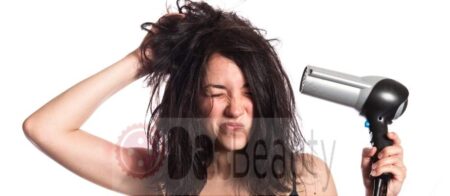

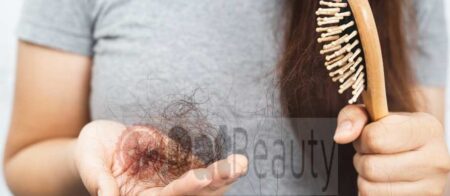
Blow-dryer heat can damage the hair shaft and contribute to breakage. Hair breakage is different from loss at the follicle; ordinary dryer use does not mean everyone will develop permanent hair loss.
A blow dryer does not automatically cause permanent hair loss. High heat and styling can damage hair shafts and cause breakage; reduce heat and handle hair gently.
How can blow drying cause hair loss?
Heat styling can weaken or break hair shafts, especially with high heat or frequent use. This is not the same as hair falling out from the follicle.
- Excessive heat can cause the proteins in your hair to unravel, which can create holes in the shaft and lead to breakage.
- The high air pressure used when blowing dry can cause micro-fractures in the shaft, which over time will enlarge and break strands.
- Repeated blows to the same area of your head can create a build-up of heat, which will cause moisture to evaporate from your hair shaft faster than it can be replaced. As a result, your locks will become brittle and prone to breaking.
Reduce styling damage by using lower heat, limiting exposure, and following the dryer?s instructions. These steps address breakage risk, not a guarantee against medical hair loss.
How can you protect your hair when blow-drying?
Here are some tips to avoid hair loss related to blow-drying.
Give your hair a break
Frequent high-heat styling can contribute to breakage, but it does not prove follicle loss. If you use a dryer, lower heat and less frequent styling can reduce damage.
Brush your hair before blow-drying
You should always brush your hair before blow-drying. This helps to prevent tangles and breakage and also helps to keep the hair in a healthy condition. This makes it easier for the hair to be dried and less likely to break.
Use a good quality blow dryer
Choose a dryer by features that suit your needs and follow its manual. Wattage or a cool-shot button alone does not establish that a dryer prevents damage or hair loss. hair dryers for extensionsblow dryer for 4c hair
Use a heat protectant
A heat protectant may reduce some styling damage when used as directed, but it does not guarantee prevention of hair loss. Use a product suited to your hair and follow its label.
Blow-dry upside down
Drying upside down is a styling choice and is not established as a way to prevent hair damage or hair loss. Use a method that is comfortable for your hair.
Use a diffuser
A diffuser spreads airflow and can help with styling, but it does not prevent follicle hair loss. Use a comfortable heat setting and follow the dryer instructions. blow dryer diffuser
Don't use high heat settings
Avoiding excessive heat can reduce hair-shaft damage. There is no universal low setting or exposure time that prevents every type of hair loss.
Avoid over-styling
Repeated styling damage can cause breakage. It does not establish that styling causes alopecia, though traction and harsh styling can worsen some hair problems; seek medical advice for persistent loss.
Alternatives to blow drying
There are a number of alternative ways to dry your hair besides using a blow dryer. There i have a complete article on blow drying alternatives which you can read. However, If you want to protect your hair from heat damage, then one way is to towel dry it, and another is to air dry it. Here are some tips on how to do each:
Towel Drying
To dry your hair, wet your hair completely and then apply a thick, large towel to your head. Apply gentle pressure and move the towel around your head in a circular motion for about 10 minutes. Finally, remove the towel and let your hair air-dry.
You might be interested in reading Using a blow dryer to kill lice
Air Drying
To air-dry your hair, first wet it completely with water and then apply a thick, large towel to your head. Apply gentle pressure and move the towel around your head in a circular motion for about 10 minutes. Finally, remove the towel and let your hair air-dry.
Conclusion:
High heat can damage hair shafts and cause breakage, but ordinary blow-dryer use does not inevitably cause permanent follicle hair loss. Use lower heat and gentler handling to reduce styling damage.
Separate shedding from breakage
A blow dryer does not necessarily cause hair loss from the follicle, but excessive heat and rough handling can damage the hair shaft and lead to breakage. Shedding is hair releasing from the scalp; breakage leaves shorter pieces along the length. Notice whether you see full-length hairs or many short snapped strands, and whether there are scalp symptoms or patches. A dryer cannot explain every change in density, and sudden or persistent loss deserves medical evaluation.
Use airflow with less stress
Blot water with a towel rather than rubbing vigorously, detangle gently and apply a heat protectant only if the product label suits your hair. Use a low or medium setting that still dries effectively, keep the dryer moving and avoid holding concentrated heat on one section. A nozzle can direct airflow, while a diffuser spreads it for curls; whichever attachment you use, follow the appliance manual and stop if the scalp feels hot. Letting hair partly air-dry before blow-drying can shorten the time exposed to heat.
Fine, fragile or bleached hair may need lower heat and fewer passes. Coils and curls may benefit from sectioning so you do not repeatedly brush through the same area. Avoid pulling hair taut with a brush, especially at the hairline. Do not sleep with hair wet and tightly tied if that causes tangling or traction.
When to seek help
Talk with a dermatologist if loss is sudden, patchy, accompanied by itching or scaling, or continues despite gentler styling. Bring photos and note recent illness, medications, chemical services and styling changes. The AAD describes heat and styling practices that can contribute to hair damage and recommends gentle hair care: AAD hair care guidance. If breakage is the main issue, reduce heat and tension and ask a stylist to assess chemical overlap; no dryer setting can repair already split hair.