

Stretch marks are common during pregnancy, and no oil, cream, massage, or home routine is proven to prevent or remove them. Skin changes vary. Ask your prenatal clinician about product safety and any new or concerning skin symptoms.
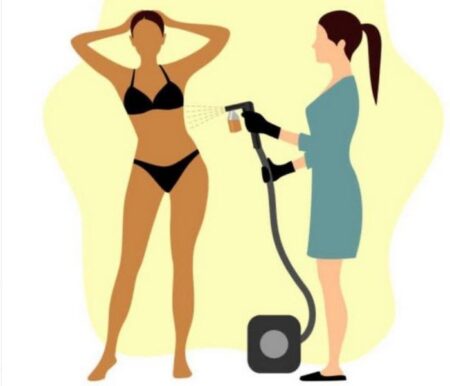
A spa treatment is optional cosmetic care and has not been shown to prevent stretch marks. Check product ingredients and discuss pregnancy-specific concerns with your clinician.
Keep yourself Hydrated
Drink according to thirst and your prenatal clinician?s advice; a fixed water target does not prevent stretch marks or guarantee skin elasticity.
Wash belly skin
Gentle cleansing can help comfort dry skin. Choose products based on your preferences and check ingredients with your clinician if you are unsure about pregnancy use.
Exfoliate Belly Skin
Exfoliation is not a proven way to prevent stretch marks. Avoid abrasive scrubs if skin is sensitive or irritated.
Massage or exfoliation cannot guarantee improved blood flow, prevent marks, or repair skin. Stop if the skin becomes uncomfortable.
Moisturize your belly
Moisturizer or oil may ease dryness, but it cannot guarantee prevention or removal of stretch marks. Check ingredients and pregnancy safety with your prenatal clinician.
Appearance may change over time, but no oil is proven to drastically reduce existing stretch marks. Ask a clinician before using active skin-care ingredients during pregnancy.
A gentle routine may support comfort, but it cannot ensure stretch-mark prevention. Discuss product safety with your prenatal clinician.
Other Related Article
What prevention can and cannot promise
Stretch marks form as skin changes during growth and pregnancy, and family history, skin characteristics and the amount of stretching can influence who develops them. No cream, oil or massage routine can guarantee prevention. Moisturizer may ease dryness or itch, which is a comfort goal rather than proof that marks have been prevented. Be cautious about products marketed as a sure way to stop marks or erase them; results vary and pregnancy changes which ingredients are appropriate.
Choose a simple, pregnancy-aware routine
Use a gentle moisturizer if your skin feels dry, and avoid fragranced or active-ingredient products that irritate you. Check every ingredient with your maternity clinician or pharmacist when uncertain, particularly for a product promoted as a treatment. Do not start a prescription retinoid or a strong exfoliating product on your own during pregnancy. The American Academy of Dermatology recommends discussing skin-care ingredients with a clinician during pregnancy and describes stretch marks as a common possible change: AAD pregnancy skin care.
Comfort measures can include loose, breathable clothing, a cool compress for temporary itch relief, and avoiding vigorous scratching. Drink and eat according to your pregnancy care guidance; there is no need to pursue a special diet or rapid weight change to control marks. If a product causes burning, rash, swelling or worsening itch, rinse it off and stop using it. A new widespread rash, severe itch, or symptoms that concern you in pregnancy should be discussed with your obstetric clinician rather than assumed to be ordinary stretch marks.
After pregnancy and realistic next steps
Marks may become less noticeable over time, but the degree and timing vary. If they remain distressing after pregnancy, a dermatologist can discuss options such as prescription topicals or procedures, explain who may benefit, and review risks, cost and the limits of treatment. Do not attempt a procedure while pregnant or nursing without clinician advice. If you are deciding what to buy now, prioritize comfort, a short ingredient list and advice from your maternity team; treat prevention claims as uncertain, not as a test you can pass or fail.
Separate comfort care from treatment claims
Before buying a pregnancy “stretch mark kit,” check the ingredient list, intended use, warnings and whether the maker has evidence for the specific claim. A pleasant scent or a moisturizing feel does not demonstrate prevention. If you already have marks, taking photos can help you track appearance, but lighting and skin tone change how visible they seem. Do not compare your skin with edited marketing images or assume that marks indicate a problem with your pregnancy.
If itch is mild and localized over dry skin, a bland moisturizer and cool compress may be comfortable. Avoid scratching until the skin is broken. Severe itch, itch that affects palms or soles, a widespread rash, or a new painful skin change should be brought to your pregnancy care team promptly because other conditions can resemble ordinary dryness. A clinician can advise on safe products and decide whether an examination is needed.
After delivery, discuss treatment timing with a dermatologist, especially if nursing or planning another pregnancy. Procedures and prescription products have different risks, costs and evidence; none guarantees full removal. You can choose no treatment as well. The useful decision now is to keep skin comfortable and ask a clinician about ingredients, rather than trying multiple unverified products during pregnancy.
Be cautious with before-and-after claims
Lighting, pose, skin hydration and the age of a mark can change how it looks in a photograph. Ask whether a product claim has evidence for prevention during pregnancy and whether the ingredient is appropriate for you. A clinician or pharmacist can review the label. You do not need to spend money to prove that you are caring for your skin; comfort and medical guidance are valid priorities.