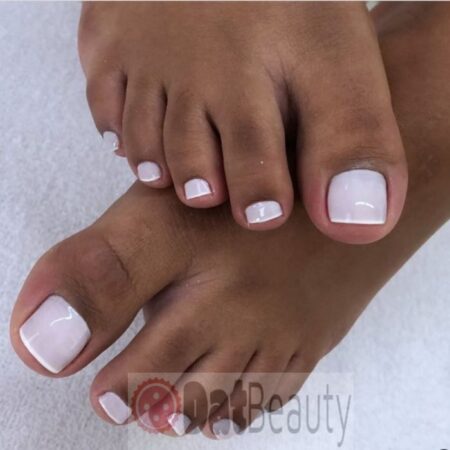


Regular nail polish can generally be used on acrylic enhancements if it is compatible with the surface and applied according to product directions. Ordinary polish air-dries; gel polish needs its specified compatible lamp. Remover compatibility varies. shellac
What is acrylic nail polish?
Check the polish and remover directions before use. Acetone can affect some enhancement systems, so do not assume one remover is suitable for every acrylic product.
Can you really apply nail polish on Acrylic?
Yes you can! Nail polish is safe for acrylic nails. Acrylic nails are made of a very durable plastic resin so they will not be affected by nail polish. Following application and drying, an additional coat of top coat (glossy nail polish) might make the colors pop even more and it also takes away any shine from the natural nails. The only caution I would give is to avoid using dark or bright colors as these tend to show chips easier than lighter ones. This may seem like common sense but wear and tear definitely exposes itself on the lighter colored polishes.
How to apply nail polish on Acrylic
If you want to have your acrylic nail looking natural yet elegant, applying nail polish seems to be the best option for this purpose. However, if you don't apply the nail polish properly, your whole effort will go in vain as it won't give you an expected result. In order to make sure that your nail paint stays on the nails as long as possible and looks great following manicure procedures at home or salon, here are some helpful tips you should remember:
- Shape the acrylic nails carefully and apply base coat on them to prevent nail polish from chipping off.
- Apply two thin layers of nail polish and wait until they completely dry out before applying another layer.
- Use top coat for a more shiny look, but avoid using it frequently as it can make your nails looks dull after some time especially with dark colors such as black, gray and navy blue.
- Try avoiding putting your hands in water during at least 24 hours following final manicure procedures with acrylic nails since even your cotton gloves can't protect nails from water artistry perfectly. Just try taking them off when you need to wash dishes or clothes and put them back on again after finishing your task.
Removal Tips:
Acrylic nails are often seen at salons and used by women who wish to improve the look of their own natural nails, or make them seem longer and more beautiful. Often, this type of artificial nail can be worn for weeks before it needs correcting or replacing. Removal from either the fingers or toes is rarely painful but may cause some discomfort as the outer skin around the removal site will have been softened by acetone for easier removal. It's important that you don't pick at your nails as this could cause further damage to the nails underneath.
Can you layer regular polish on acrylic?
Usually, ordinary air-dry polish can be applied over a fully set acrylic enhancement, provided the acrylic surface is clean and the salon or product instructions allow it. A regular top coat also works only if it is compatible with the finish and has time to dry. This is different from gel polish, which needs a compatible lamp system and product-specific curing. If the acrylic is lifting, cracked or painful, do not seal the problem under another layer.
Apply and change color carefully
Wipe away surface oil and use thin coats, letting each dry according to its label. Avoid flooding the cuticle or skin. When removing color, choose a remover compatible with your acrylic system; acetone can soften or alter some enhancements, so ask the technician or read the maker’s instructions before soaking. Non-acetone remover may be less effective on some polish formulas, and aggressive scraping can scratch the enhancement. Do not use metal tools to pry off color.
If you plan to return to the salon, tell the technician what products you used so they can select a removal method. Do not put gel topcoat over ordinary polish unless the gel manufacturer says it is compatible and fully dry; trapped solvents or mismatched layers can affect the finish. FDA recommends following nail product labels and notes that nail products can cause irritation or allergy: FDA nail-product safety.
Care for the set underneath
Wear gloves for prolonged wet work, avoid using nails as tools, and do not peel a chipped layer. If polish color changes because of a stain, remove it gently rather than buffing deeply into acrylic. Lifting, redness, pain, odor or green discoloration merits stopping the cosmetic service and seeking professional assessment. Regular polish gives a flexible color change between appointments, but it does not repair or strengthen acrylic or natural nails. Plan the color and removal together to avoid damage to the set.
Keep remover away from skin
Use polish remover in a ventilated space, keep it away from eyes and flames, and follow the bottle warnings. If remover softens the acrylic or makes the surface cloudy, stop and ask the nail technician how to proceed. Do not scrape softened acrylic. If the skin becomes irritated, wash it as directed and discontinue the product. Label instructions take precedence over a generic online removal tip.