
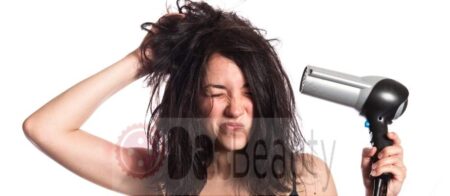
Do not rely on a household blow dryer to treat head lice. Household dryers cannot safely or reliably kill lice and eggs on the scalp; directing high heat at the scalp can cause burns. Use a CDC-guided treatment and follow its label.
No. A household blow dryer is not a safe or reliable head-lice treatment. CDC guidance about 130°F concerns laundry and items such as combs, not a safe scalp temperature.
How do you get lice on your head?
Human head lice live on people, usually on the scalp and hair, and feed on human blood. Animals do not get or spread human head lice. They spread mainly through direct head-to-head contact and less often through recently shared items such as hats, combs, or hair accessories. Itching can occur, but finding a live louse is the best way to confirm an active infestation. Use a labeled treatment rather than household heat.
How to remove lice from your head?
Follow the product label for an FDA-approved or otherwise CDC-recommended head-lice medicine, and use a fine-toothed lice comb as directed. Ask a pharmacist or clinician if you are unsure which treatment is appropriate.
By using Comb
One way to remove lice and eggs from your hair is to use a lice comb. The lice comb can help remove the lice and eggs from your hair. But a lice comb can damage your hair if you're not careful. Be sure to comb through the hair gently and avoid pulling on the hair too hard. If you have a lot of lice, it may be helpful to use special lice comb with metal teeth.
By using Shampoo
Use an over-the-counter or prescription lice medicine only as directed on its label. Do not use extra amounts or combine products unless a health professional tells you to.
You might be interested in reading an article about hair extensions dryers
Why a household dryer is not lice treatment
A household hair dryer should not be used to treat lice. It does not reliably treat an infestation, and directing heat at the scalp can injure the person.
What to do instead
Do not follow the household blow-dryer lice-treatment steps below. Use a CDC-guided lice medicine according to its label and comb as directed.
Follow the treatment label
Do not shampoo or heat the hair as a substitute for lice medicine. Follow the treatment label, including whether hair should be wet or dry and when to repeat treatment.
You might be interested in reading blow dryer for 4c hair
Do not use scalp heat
The CDC’s 130°F guidance applies to laundering clothing and bedding and to soaking combs or brushes; it is not a safe scalp temperature. Never direct a household dryer at the scalp to treat lice. CDC
Do not direct a blow dryer at the scalp for any duration to kill lice or eggs. It cannot safely achieve a treatment temperature.
Comb as directed
After using a lice medicine, comb the hair as its label directs. A fine-toothed lice comb can help remove lice and eggs; do not use a household blow dryer as part of treatment.
If lice remain
Do not repeat a household dryer treatment. If lice remain after using medicine, follow its label and ask a pharmacist or clinician about next steps.
Heat appliances are not lice treatment
Household heat appliances can burn skin and should not be used as lice treatment. Some lice medicines have specific warnings; read and follow the product label. Malathion lotion is flammable while wet, so avoid smoking and electrical heat appliances until the hair is dry. damage your hair
How you can prevent lice
Prevention is always better than a cure. To prevent lice, there are a few things you can do.
Do not rely on oils, shampoos, or sprays marketed for prevention unless their label specifically supports that use. Avoid sharing combs, brushes, hats, and hair accessories during an infestation.
Check close contacts and treat people with live lice according to CDC guidance and product labels. Clean recently used clothing and bedding as directed; hot-water wash and high-heat drying are options for washable items. Soak combs and brushes in hot water for 5?10 minutes, vacuum areas where the affected person sat or lay, and do not use fumigant sprays. Do not use a hair dryer as treatment.
Conclusion:
A household blow dryer is not a head-lice treatment. Use a CDC-guided medicine according to its label, comb as directed, and take the recommended household measures. Never direct a dryer at the scalp to kill lice.
Use proven lice treatments, never scalp heat
A household blow dryer is not a safe or reliable way to kill head lice or eggs. It cannot deliver a validated treatment evenly to the scalp and hair, and directing high heat at the scalp can burn skin. Do not use a dryer, flat iron, curling iron, or other heat appliance as lice treatment. CDC guidance about hot water and heat applies to laundering and certain items—not a safe temperature or method for a person’s head. See the CDC head-lice treatment guidance.
Choose a labeled treatment carefully
Confirm active lice rather than treating only dandruff or old nits. Use an over-the-counter or prescription medicine appropriate for the person’s age and health, and follow that exact label for wet or dry hair, amount, timing, rinse and whether a repeat application is needed. Do not combine products, use extra doses or repeat sooner than directed. Ask a pharmacist or clinician if the person is very young, pregnant, nursing, has allergies or a scalp condition, or if lice remain after correctly following the label. CDC lists FDA-approved treatment options and cautions to use them as directed: CDC clinical care.
Use combing and household cleaning within bounds
A fine-toothed lice comb can help remove lice and eggs; follow the medicine label and comb instructions, working in small sections and cleaning the comb between passes. Check household members and treat only people with active infestation as advised. Wash and dry recently used clothing and bedding according to CDC directions; soak combs and brushes as recommended. Extensive house fumigation, pesticide sprays, or cleaning every object are unnecessary and may be harmful. Items that cannot be washed can be handled according to CDC guidance, but the main task is correct treatment of the affected person.
If the first attempt does not work
Check that the medicine was used correctly and whether a scheduled repeat is due. Persistent live lice may reflect reinfestation, resistance or application error; ask a clinician or pharmacist before switching products. Do not add heat or household chemicals. Seek advice for an infected or badly irritated scalp. A clear label-based plan and careful combing are safer than trying to heat the scalp.