
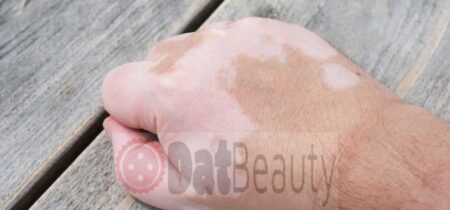
Patchy self-tanner can result from uneven application, dry areas, product buildup, or individual skin and formula differences. The cause is not always the same; follow the product directions.
Hormones
Do not attribute patchy color to hormones or claim self-tanner causes hormonal problems. If you have a skin concern or are pregnant, ask a health professional about product ingredients.
Skin type
Dry areas may absorb color differently. Apply to clean, dry skin as directed and use moisturizer only where the product instructions recommend it.
Climate
Sun exposure and pool chemicals can irritate or dry skin; they are not a universal cause of patchy self-tanner. Use sun protection and follow product directions. waterproof self tanner
Lotion Layer
Apply an even layer according to the product label. Formula strength, skin, and application affect color; avoid applying extra coats to fix patchiness without checking the directions.
Too Much of a Good Thing
Avoid harsh chemical exfoliants or vigorous scrubbing to remove color. Gentle exfoliation may help as color fades, but stop if skin becomes irritated.
Excessive Moisturizer
Whether moisturizer affects the result depends on the product and skin. Follow its instructions and avoid layering products that cause irritation or uneven color.
Some tips to fix a patchy fake tan?
- Make sure that you're exfoliating before applying new layers of self-tanner. Never try to fix an already somewhat-dry layer with another one without proper exfoliation because that would just clog up your pores even more than they already are after your tan.
- Fix that streaky sunless-tanner look by mixing the product you're using right now with your previous layer of self-tanner. Mixing two different products together will make one good final result instead of two bad ones!
- Use an exfoliating mitt or sponge not only while applying self-tanner but also while washing it off in the shower. That way you can remove any possible stain left behind on your skin for a flawless appearance!
- If none of the above advises work, just try waking up earlier than usually and applying another layer before going to work while dry instead of wet because this trick might actually save you big time! We hope these tips can help you fix that patchy tan!
Other Relevant Article
Why a sunless tan can look uneven
Patchiness usually reflects uneven product placement or uneven wear, not a need to apply another thick layer everywhere. Dry elbows, knees, ankles and hands can take up more color than smoother skin; rubbing from clothing, sweating, swimming and repeated washing can make other areas fade sooner. The formula and its development instructions also matter. A sunless tanner is cosmetic color on the outer skin and does not protect you from UV exposure unless the label separately states sunscreen protection.
Prepare for the next application
Let the current color fade according to the product’s removal directions. Wash gently and moisturize dry areas, then allow moisturizer to absorb before a later application. Do not scrub until skin is sore or use household bleach, lemon juice or abrasive cleaners. Before applying again, patch-test if the product is new or you have sensitive skin, and use the same formula across the area. Apply a thin, even layer with a clean mitt using less product on thicker, drier skin; wash palms and between fingers afterward if the label advises it.
For hands, feet, knees and elbows, use only the residue remaining on the mitt rather than adding a full pump. Blend edges at wrists and ankles and check the result in consistent lighting. Follow the label for drying, dressing and shower timing. Rushing to layer more while the first coat is still developing can deepen some spots and make the contrast worse.
Fix only what is needed
If a small patch remains, use makeup or clothing to camouflage it for an event rather than aggressive exfoliation. If skin is irritated, stop self-tanner until it settles. Redness, swelling, hives or breathing symptoms require stopping use and getting medical help for severe reactions. The AAD notes that self-tanner does not make tanning beds or sun exposure safe and recommends sunscreen for UV protection: AAD tanning information. Treat even color and sun protection as separate goals.
Why layering can make patches worse
Sunless color develops over time according to the formula. Applying a second coat before the first has finished developing can intensify high points, while repeated rubbing may remove color from elbows and ankles. If a patch is dark, wait for the product’s stated development period and use only a labeled remover if available. If a patch is pale, do not repeatedly scrub it; a later light, even application may blend it better once the skin is calm.
Keep a simple note of the product, application date and any exfoliation or swimming afterward. This helps identify whether the issue is the formula or the routine. Use clean mitts and avoid mixing different self-tanner brands on one area unless the makers say they are compatible. Patch test a new product if you have had a reaction.
If the skin is irritated or broken, stop tanning until it heals. A cosmetic tan should never be used to mask a rash or lesion that needs assessment. For a one-day event, body makeup can cover a patch without over-processing the skin.