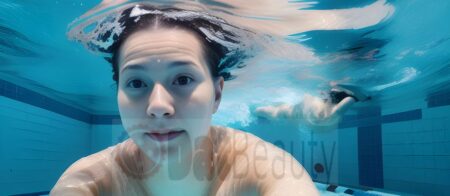


Swimming outdoors does not prevent tanning or sunburn. To reduce UV exposure, use shade, sun-protective clothing, and a broad-spectrum, water-resistant sunscreen labeled SPF 30 or higher on exposed skin.
Is swim tanning permanent?
UV exposure can darken skin and cause sunburn even in or near water. Clothing and shade reduce exposure, but uncovered skin still needs sunscreen.
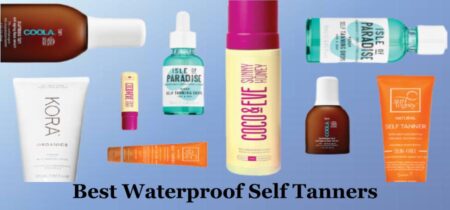
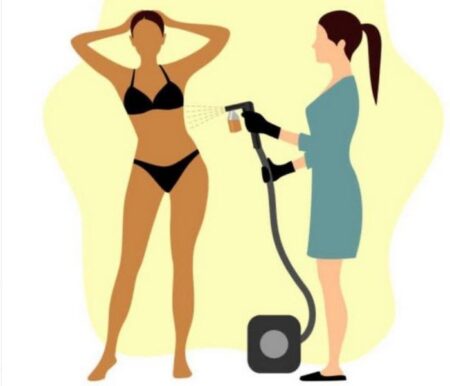
A sunless tanner can add temporary color, but it does not prevent UV damage or replace sunscreen.
You might also be interested in to know more about Best waterproof self tanner
How to protect your skin
Self-tanner changes skin appearance; it does not protect against UV radiation unless the product separately carries an SPF label. Use sun protection even when wearing self-tanner.
How to prevent swimming tan?
For outdoor swimming, seek shade and cover up with clothing, a hat, and sunglasses. Apply broad-spectrum, water-resistant SPF 30+ sunscreen to exposed skin. Water-resistant labels specify 40 or 80 minutes; reapply at least every two hours and after swimming or toweling, following the label. No sunscreen is waterproof.
Clothing
Choose clothing that covers as much skin as practical, including UV-protective swimwear if available. Wet clothing may provide less coverage than dry clothing, so apply sunscreen to exposed areas as directed.
Drink Plenty of Water
Drink enough water (aim for minimum 2 litres per day), avoid alcohol, tobacco and high sugar intake during the holiday.
Remove Makeup
Choose comfortable swimwear and sun-protective clothing. Makeup has no role in preventing UV exposure.
Carefully Choose Sunscreen
Check the sunscreen label and ingredients if you have had a reaction before. If unsure which product suits a skin condition, ask a health professional.
Best time to swim to avoid tanning?
No time of day guarantees that outdoor swimming will prevent tanning. Reduce exposure with shade, clothing, and sunscreen. Reapply water-resistant sunscreen according to its label; waterproof is not an accurate claim.
How to remove swimming tan instantly?
A UV tan cannot be removed instantly by rinsing or applying moisturizer. Avoid more UV exposure while skin recovers; seek medical advice for severe pain, blistering, fever, or other concerning symptoms.
Get a Shower
Rinse off in the shower right away when you get home from spending time in the sun. Once out of the hot sun and cooled down somewhat, head inside and rinse off with cool water from a garden hose outside or take a nice cool shower indoors to rid yourself of any lingering effects from the sun. Cool water from a hose is also fine, but cold showers should be avoided if you don't want to risk catching a cold.
Apply Aloe Vera Gel
Aloe vera or moisturizer may soothe dry skin, but it does not reverse UV damage or remove a tan. Avoid further sun exposure and use sun protection.
Apply Moisturizer
Moisturizer can help with dryness after swimming, but it does not prevent tan lines or replace sunscreen. Reapply broad-spectrum, water-resistant SPF 30+ product according to its label.
But do not use these products in case of serious sunburns, heat rashes or swelling of the skin
Other Related Article
Water does not block all UV exposure
Swimming can make it easy to forget sun protection, but water does not eliminate ultraviolet exposure. UV can reach exposed skin around a pool, lake or beach, and wet skin or toweling can remove sunscreen. A sunburn can still happen while swimming; cool water may make heat less noticeable, so do not use comfort as a signal that exposure is low.
Build protection around the swim
Use shade when you are out of the water, wear a broad-brimmed hat and UV-protective clothing where practical, and apply a broad-spectrum, water-resistant sunscreen according to its label before exposure. Reapply as directed, including after swimming or towel drying; “water resistant” does not mean waterproof. Follow the specific product’s stated time and water-resistance period rather than assuming any SPF lasts through a long swim. Keep sunscreen out of eyes and use products as labeled.
Plan breaks in shade instead of spending the entire day beside reflective water. Protect ears, the back of the neck, shoulders, tops of feet and lips. If you use a pool, rinse chlorine from skin and hair afterward and moisturize if they feel dry; this is comfort care and does not reverse UV exposure. A self-tanner changes appearance but does not protect skin unless it also contains sunscreen labeled for that use.
What to do if skin becomes red
Leave the sun, cool the skin with a cool shower or damp cloth, and avoid further sun while it heals. Do not pop blisters. Seek medical care for severe blistering, fever, chills, dehydration or intense pain. The AAD recommends avoiding tanning and using sun-protective habits: AAD tanning information. The safest way to avoid a tan from swimming outdoors is to reduce UV exposure; no sunscreen makes intentional tanning safe.
Build a swim-day reminder
Pack sunscreen, a cover-up, hat and water-resistant sunglasses with your swim gear, then set a reminder to reapply according to the product label. Take shade breaks even when the water feels cool. Ask a clinician or pharmacist about sunscreen selection if you have a skin condition or sensitivity. A tan is a visible response to UV; avoiding it means reducing exposure, not switching to a tanning bed.